Evidence-based reading instruction for students with dyslexia
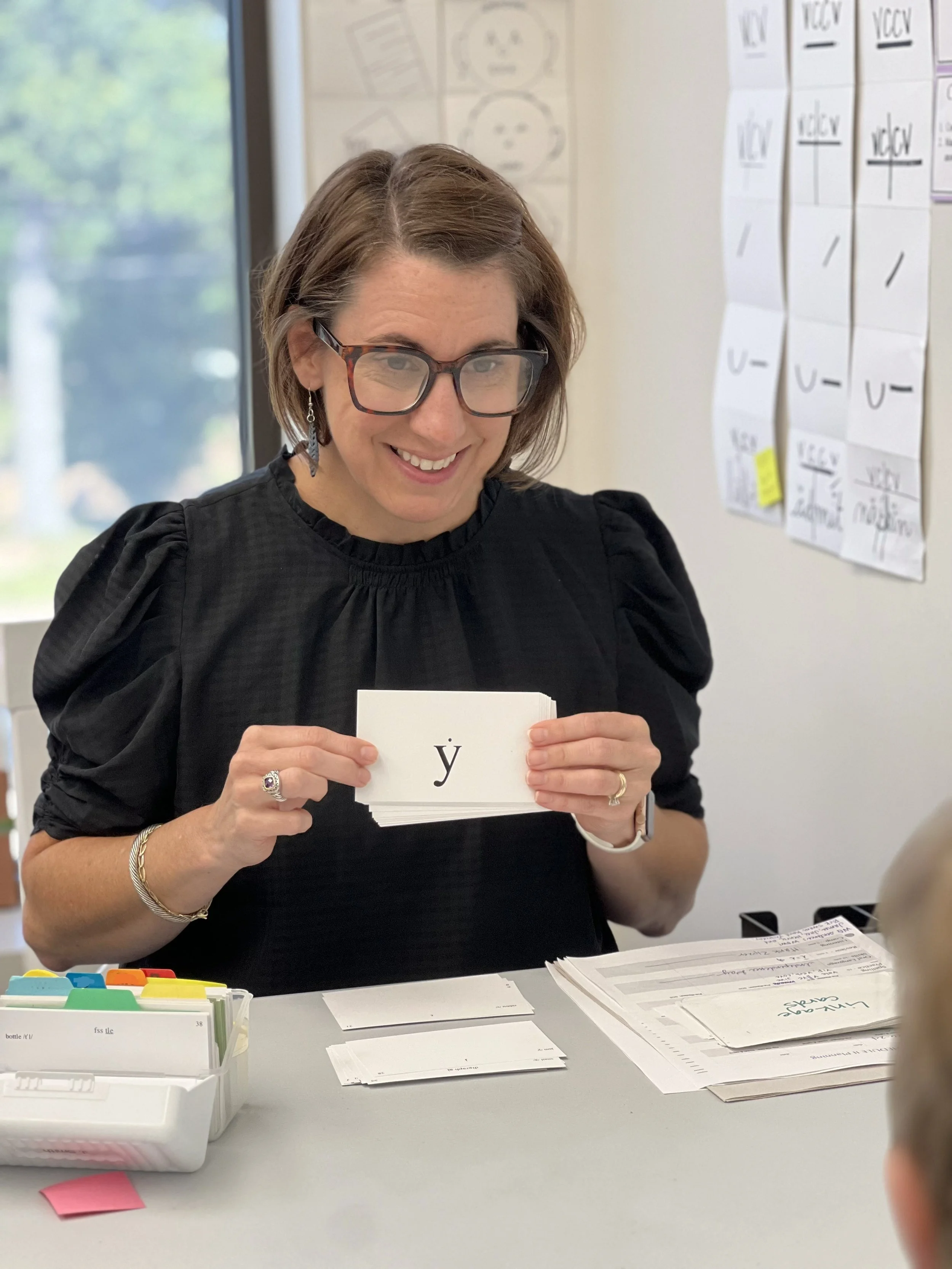
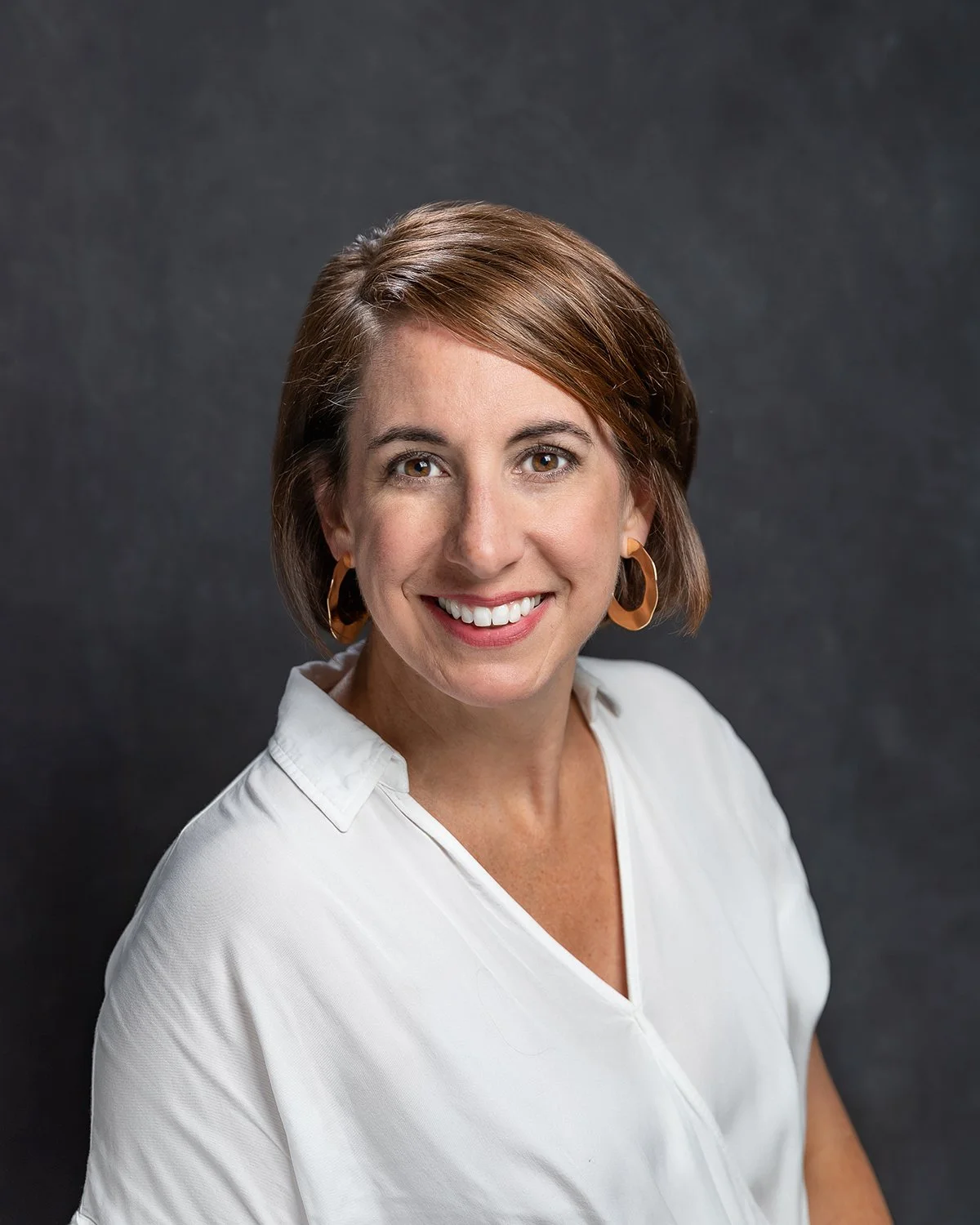
Amy Beasley, M.Ed., CALT
Dyslexia Therapist
“If children can’t learn the way we teach, maybe we should teach the way they learn.”
Ignacio Estrada
Services
Screenings
A dyslexia screener is a preliminary, brief assessment tool designed to identify individuals who may be at risk for dyslexia. It does not render a diagnosis, but can help decide whether a full dyslexia evaluation might be needed. A screening takes 45-55 minutes.
Dyslexia Therapy
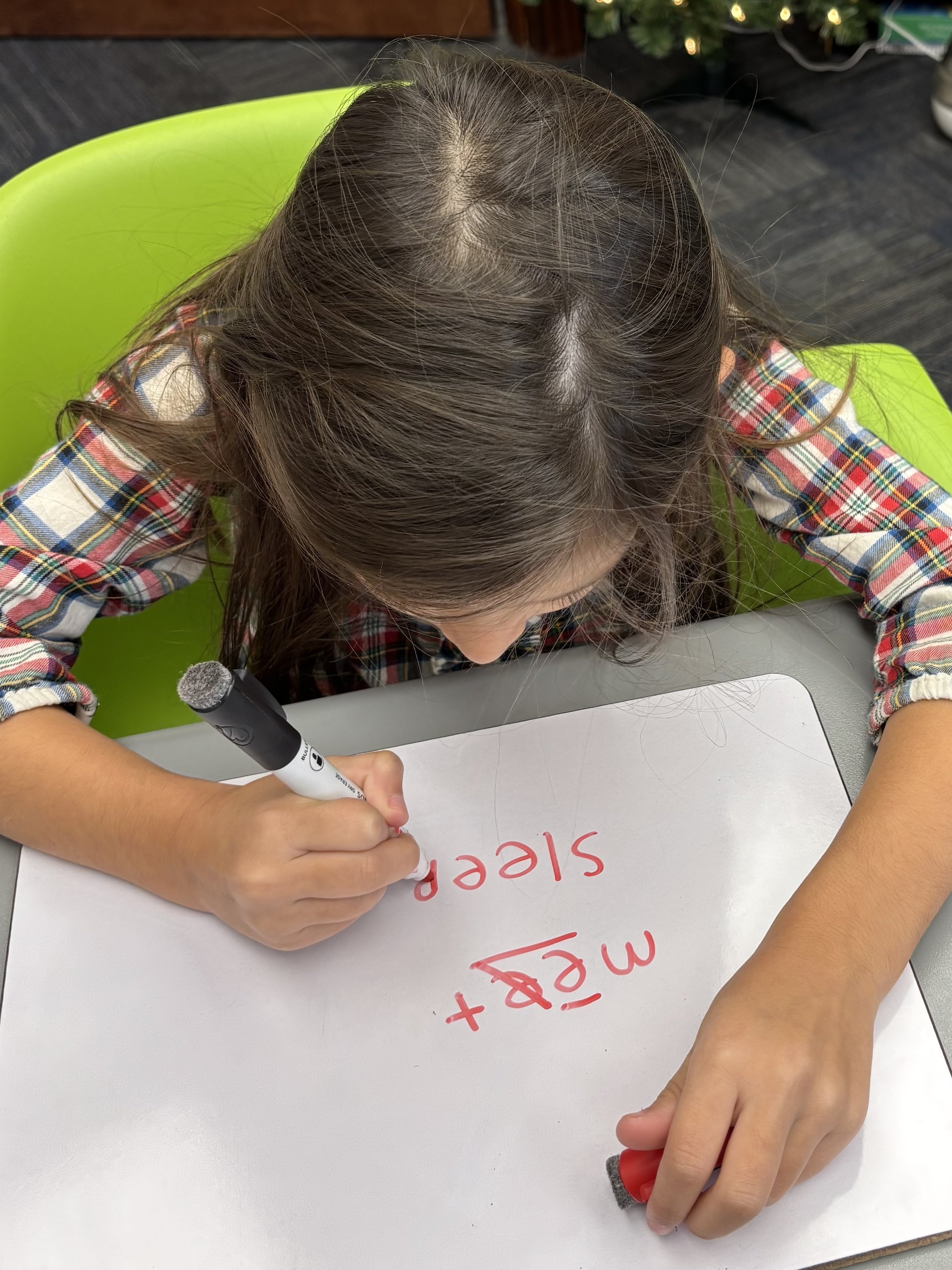
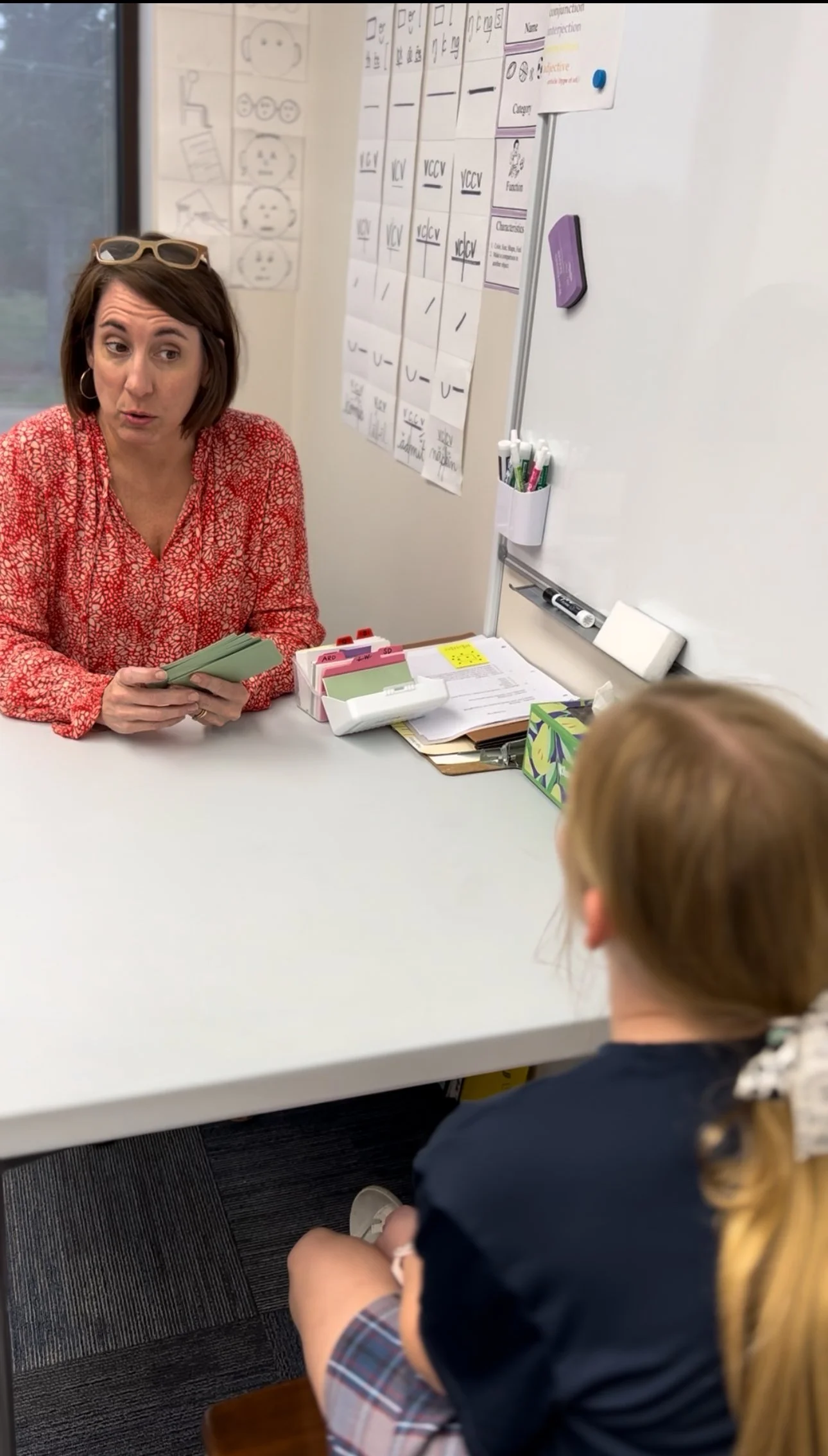
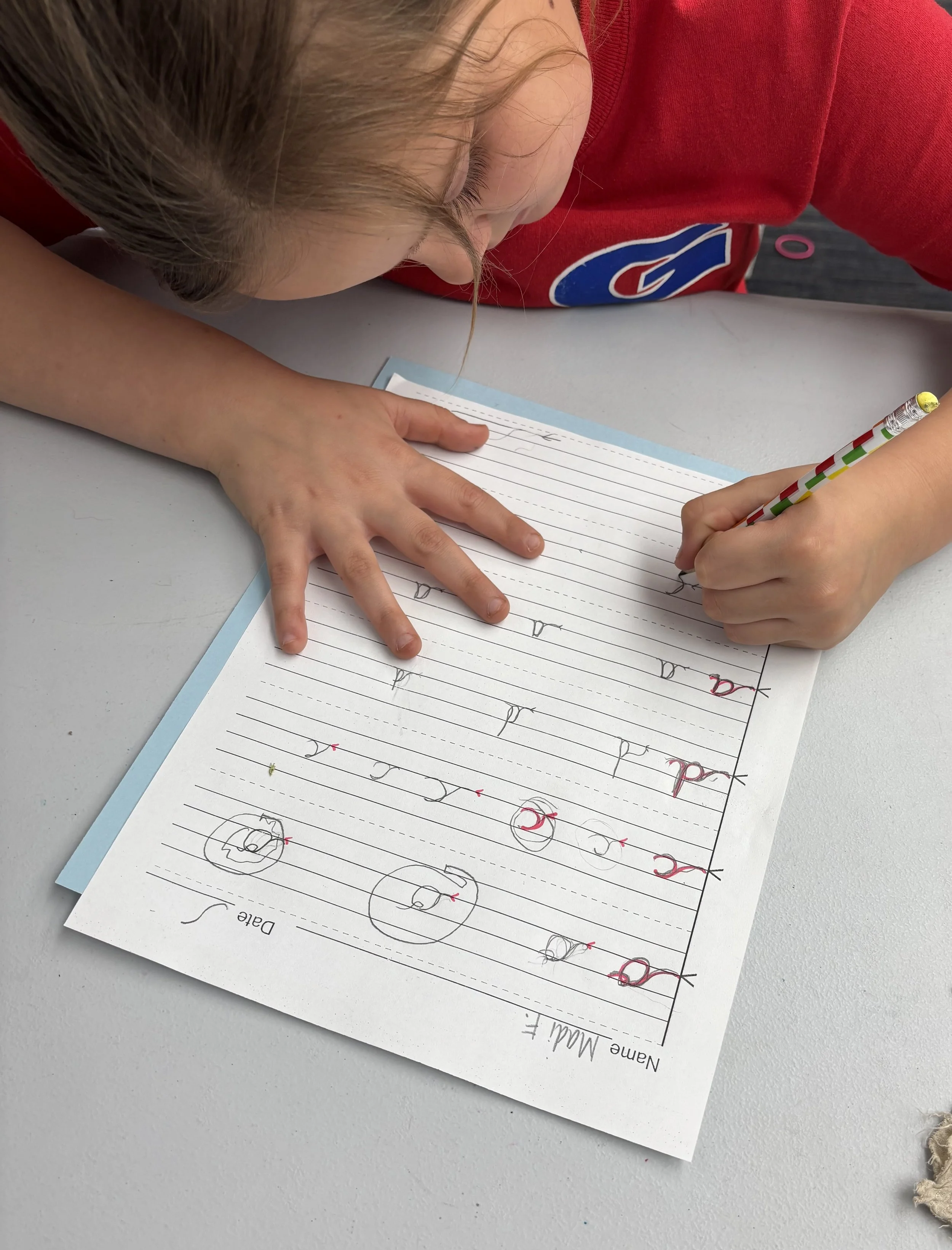
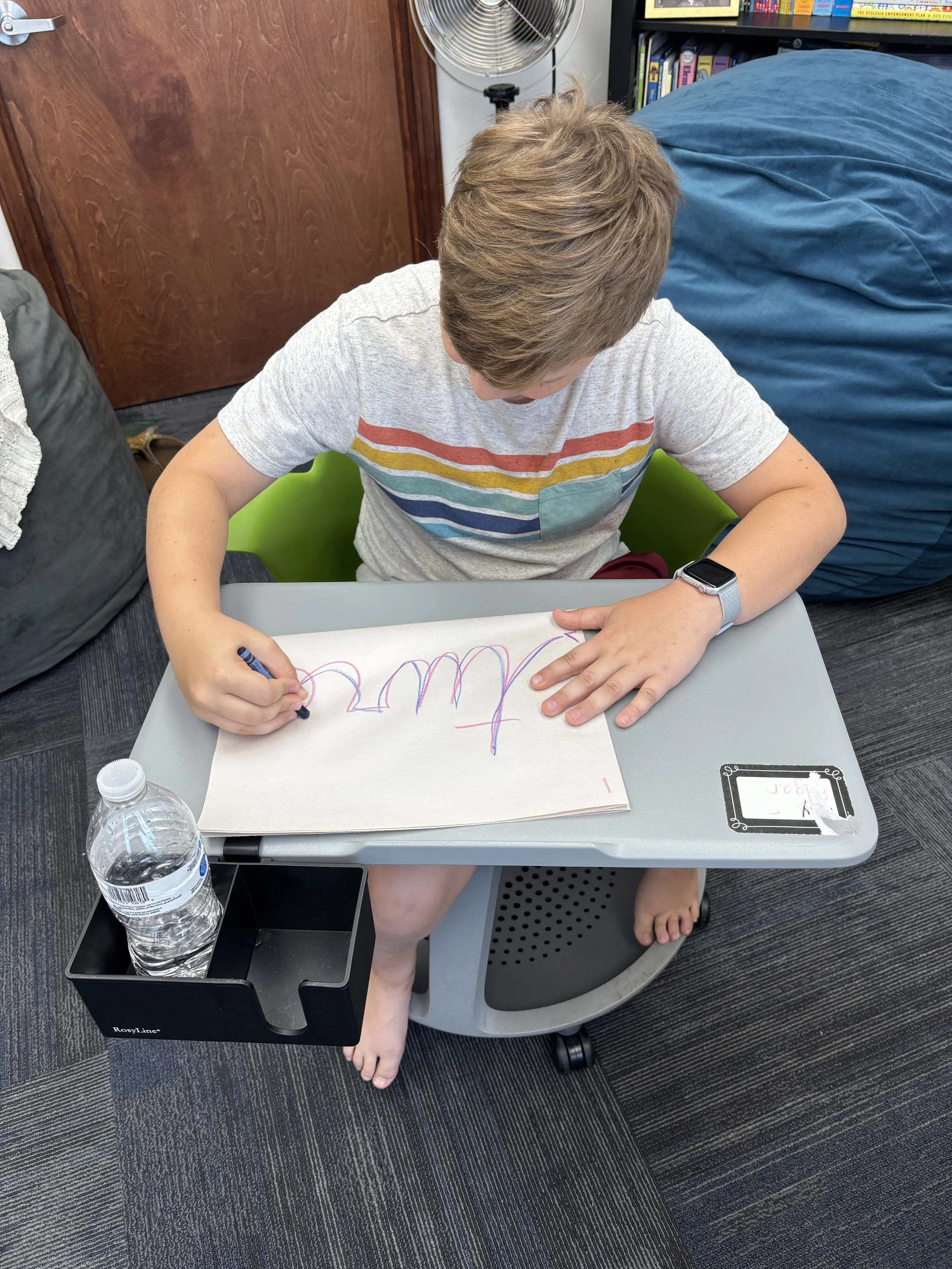
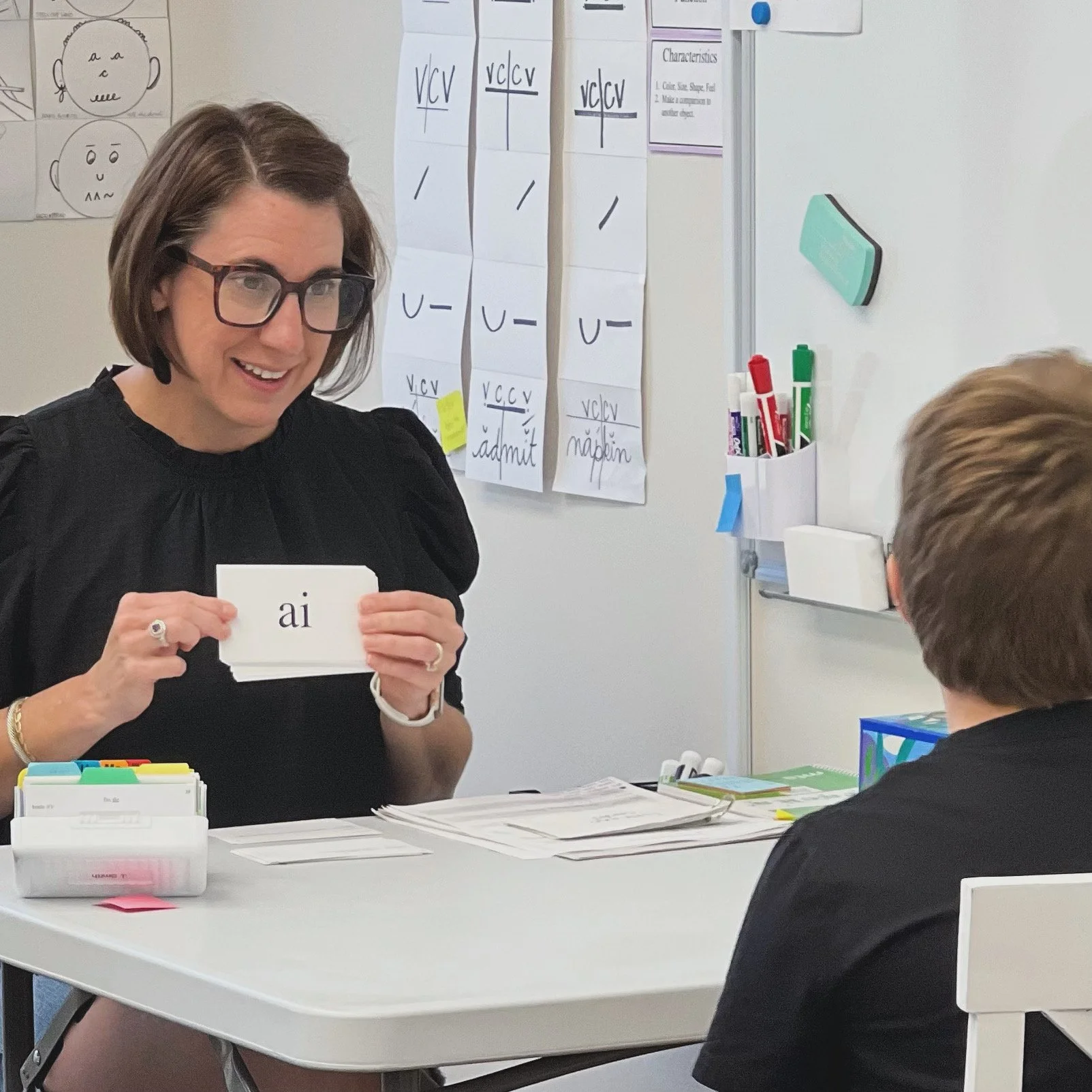
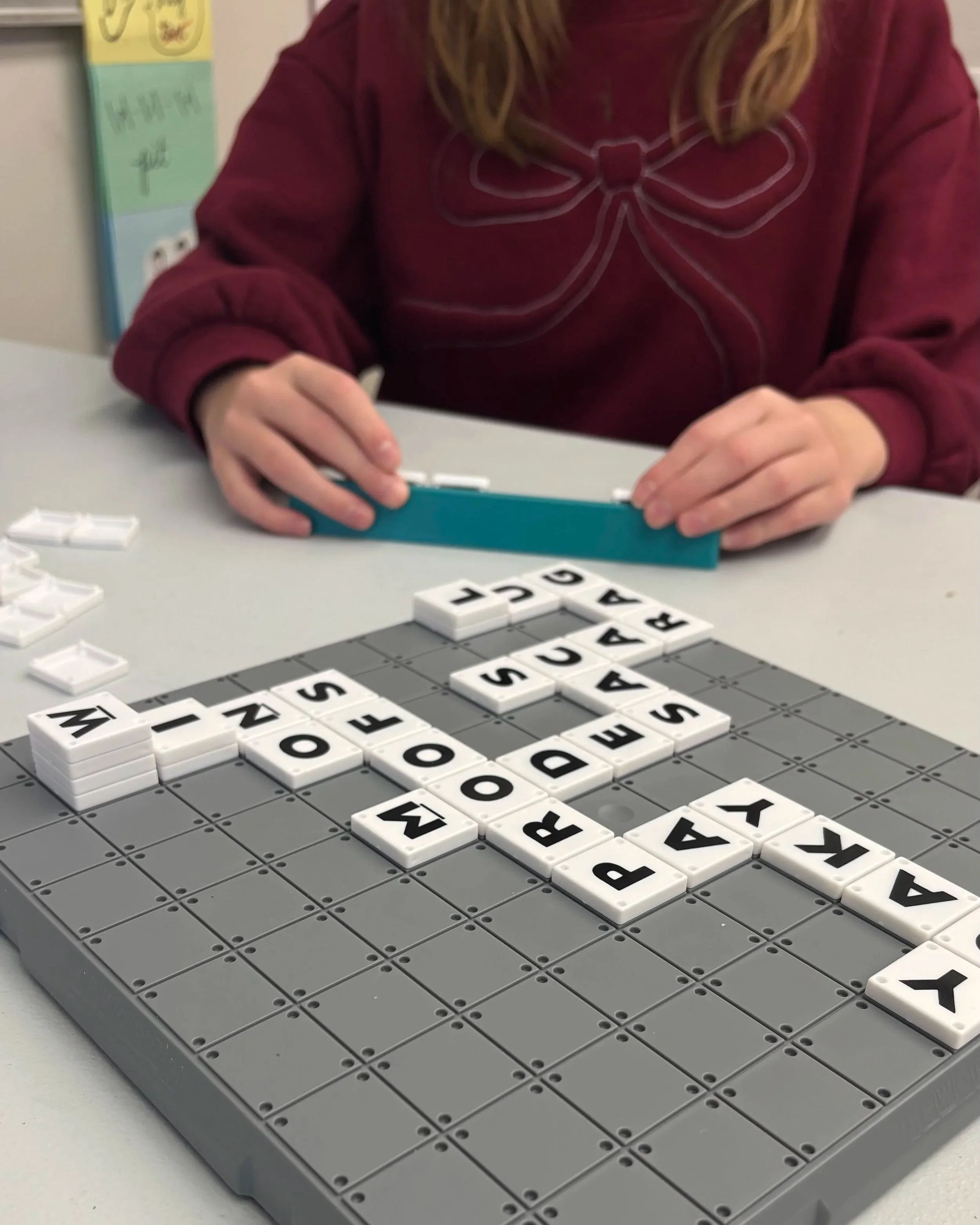
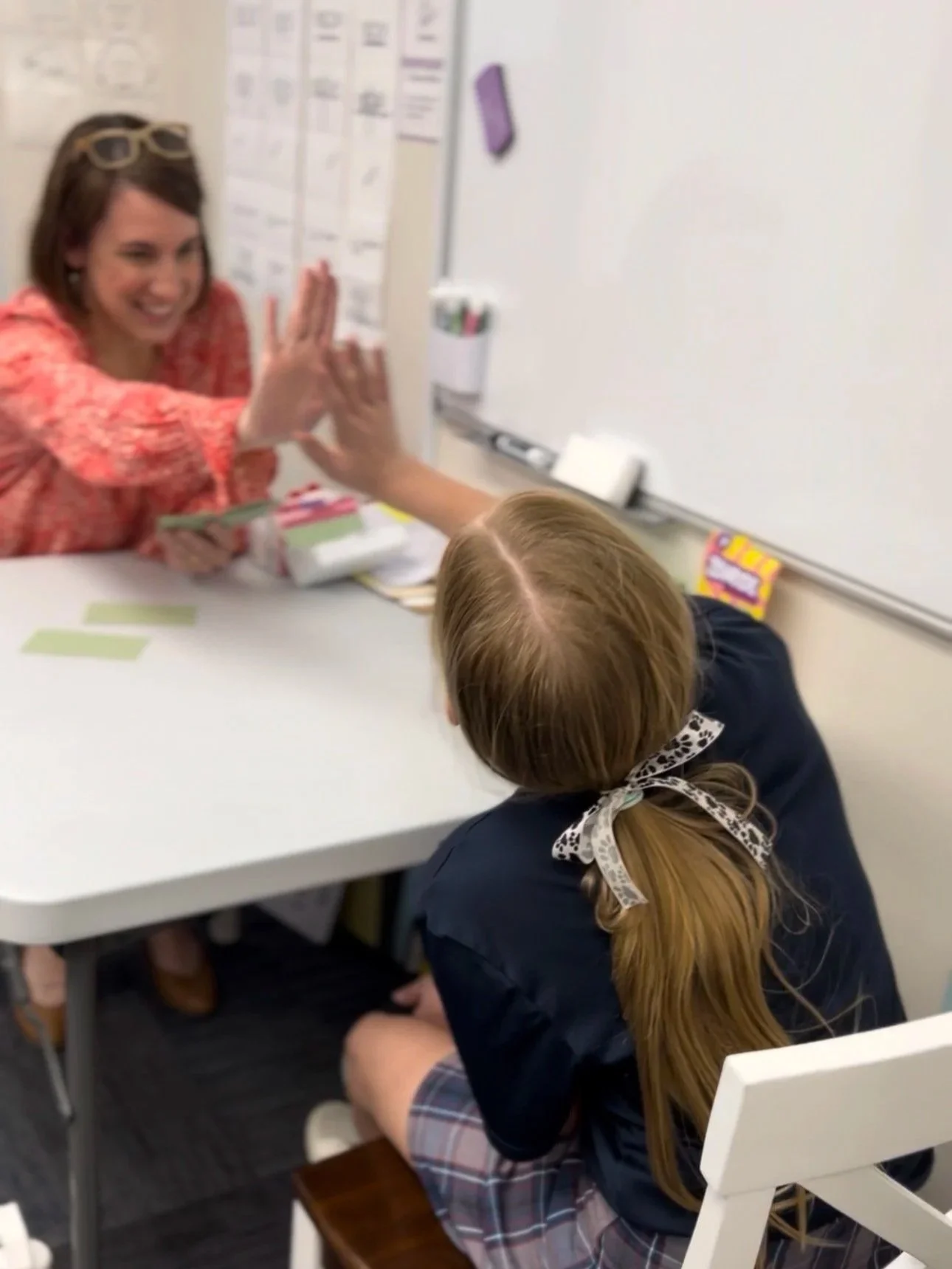
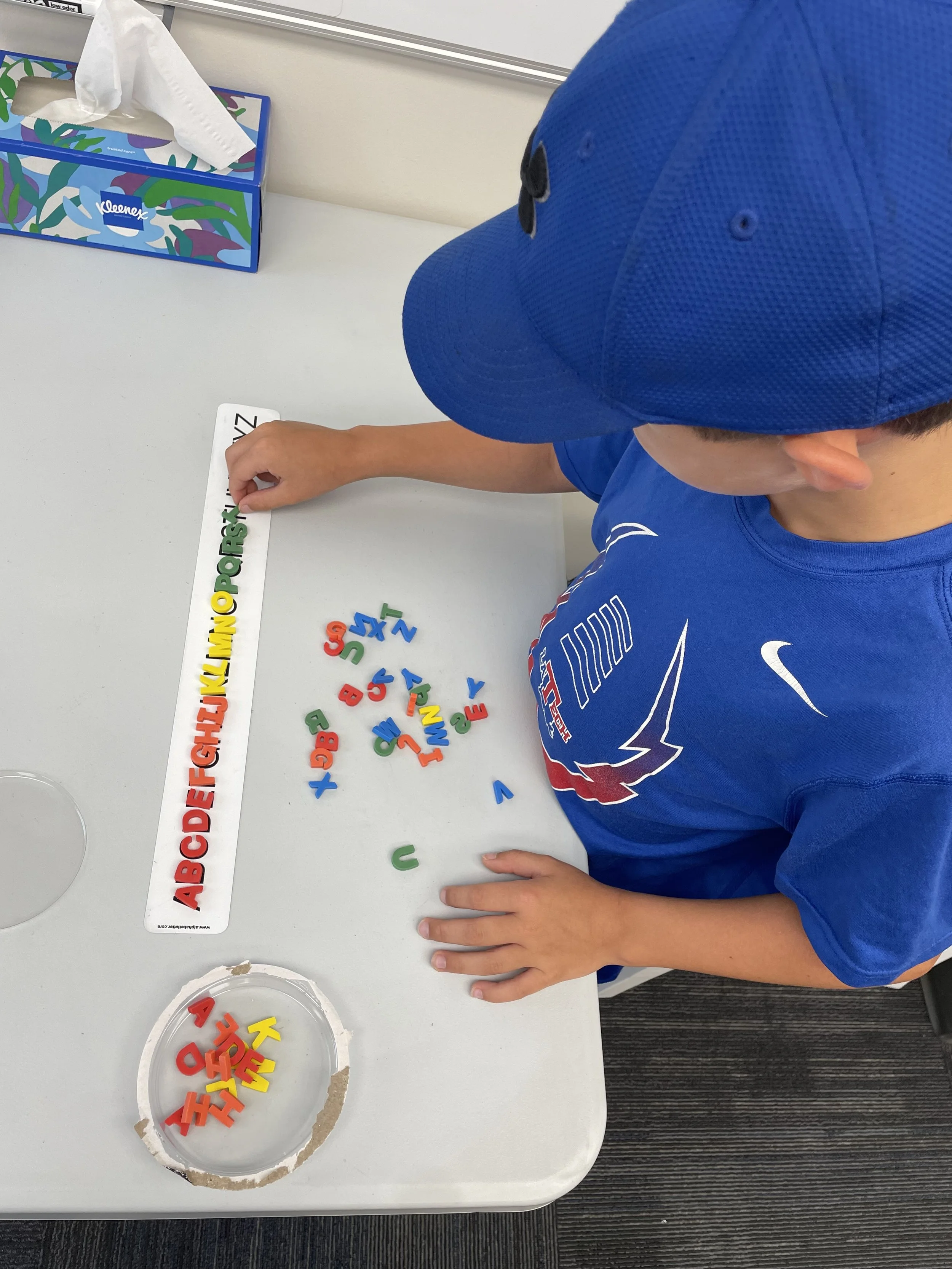
Therapy is delivered 1-on-1 (or in small groups, 2-to-1) through a multi-sensory structured language model for students with dyslexia or for those simply struggling with reading & spelling. Sessions are 55-65 minutes, 3 times a week.
Professional Development
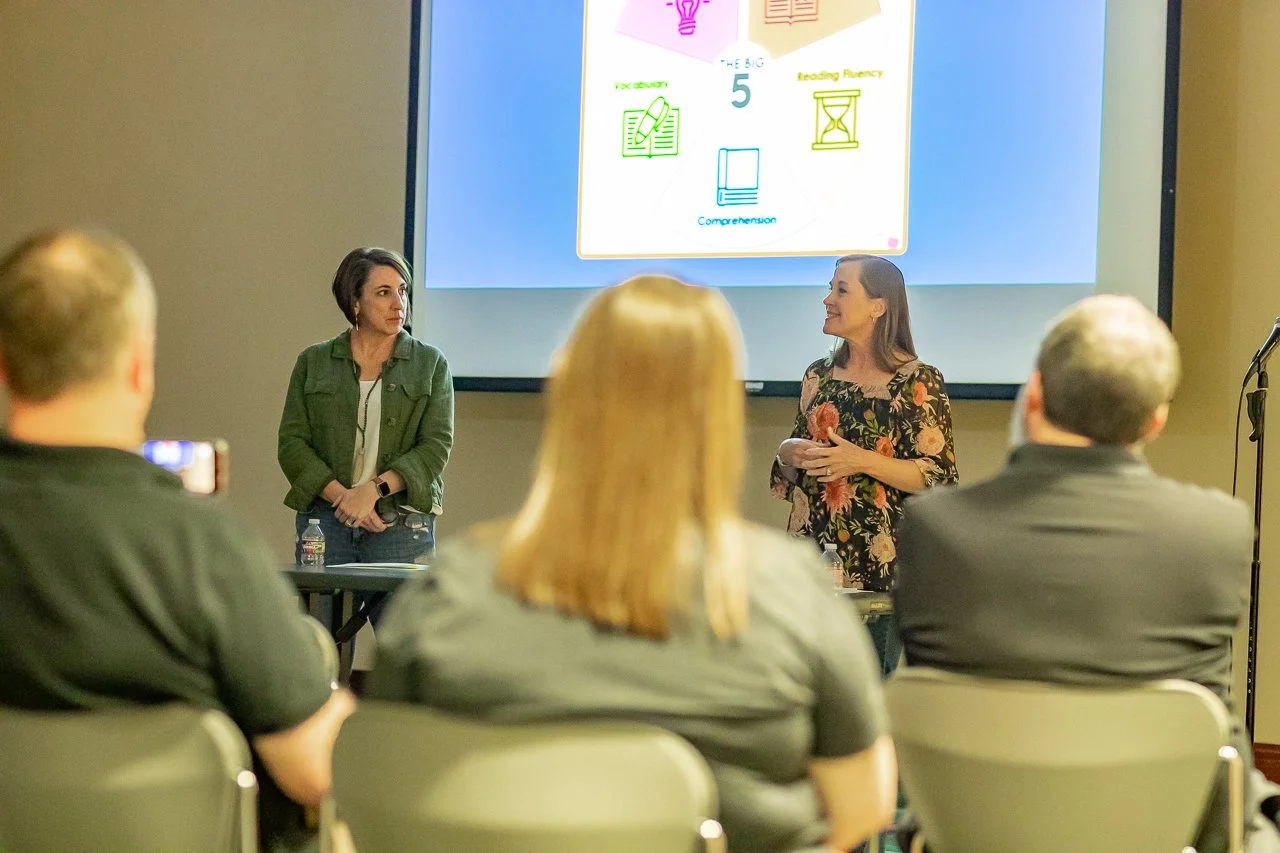
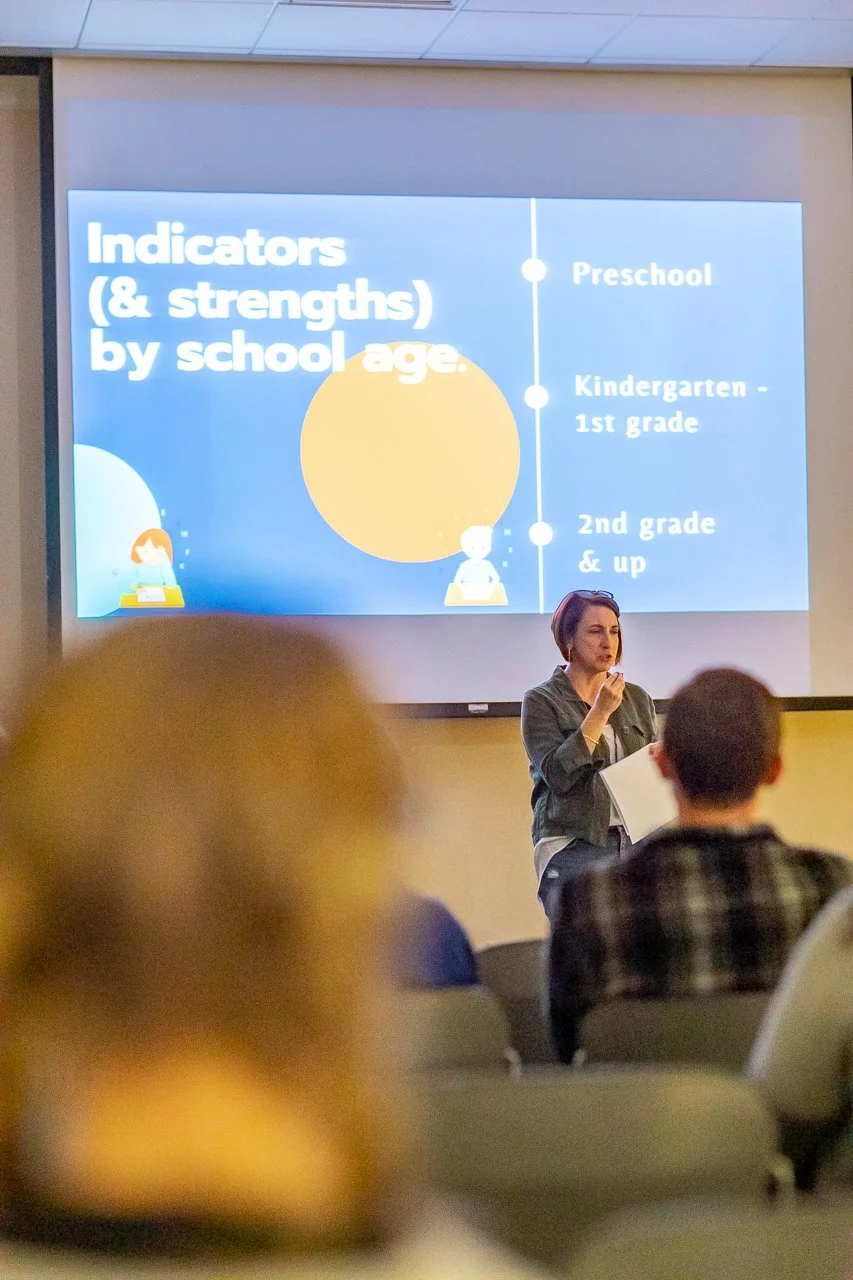
Available for professional development for any group wanting to know more about dyslexia specifically or about learning differences in general.
Advocacy
TBA
Dyslexia explained
Frequently Asked Questions
-
According to the State of Louisiana, “Dyslexia is an unexpected difficulty in reading for an individual who has the intelligence to be a much better reader, most commonly caused by a difficulty in phonological processing, which affects the ability of an individual to speak, read, and spell". It's recognized as a specific learning disability stemming from a neurological origin, impacting word recognition, fluency, and spelling, despite adequate intelligence and instruction, leading to challenges with sounds in language.
According to the International Dyslexia Association, “Dyslexia is a specific learning disability characterized by difficulties in word reading and/or spelling that involve accuracy, speed, or both and vary depending on the orthography. These difficulties occur along a continuum of severity and persist even with instruction that is effective for the individual’s peers. The causes of dyslexia are complex and involve combinations of genetic, neurobiological, and environmental influences that interact throughout development. Underlying difficulties with phonological and morphological processing are common but not universal, and early oral language weaknesses often foreshadow literacy challenges. Secondary consequences include reading comprehension problems and reduced reading and writing experience that can impede growth in language, knowledge, written expression, and overall academic achievement. Psychological well-being and employment opportunities also may be affected. Although identification and targeted instruction are important at any age, language and literacy support before and during the early years of education is particularly effective.”
-
Dyslexia therapy may also be referred to as multisensory structured language education (MSLE). It is a specialized form of educational intervention designed to help individuals with dyslexia improve their reading, spelling, writing, and language-processing skills.
It involves:
Structured, systematic instruction in phonics (sound–letter relationships)
Multisensory techniques that use visual, auditory, and kinesthetic activities (This is often referred to as Orton-Gillingham approach.)
Explicit teaching of decoding, fluency, spelling, and comprehension skills
Individualized or small-group support based on the learner’s specific needs
Dyslexia therapy does not cure dyslexia (dyslexia is a lifelong condition), but it helps individuals develop effective strategies and skills to read and learn more successfully. It is provided by trained specialists known as a dyslexia therapist or language therapist.
-
One of the best explanations comes from the Dyslexia Center at Princeton:
A reading tutor can benefit a child who is struggling with specific reading goals or with grade-level literacy homework. However, if a child is more than one grade level behind in reading and shows signs of continuing to fall behind, a phone consultation with a dyslexia therapist will help parents determine whether a dyslexia evaluation is needed. Similarly, if a child has worked with a tutor for 6 months to a year and shown little to no improvement, parents should consider contacting a dyslexia therapist.
A dyslexia/language therapist follows therapeutic protocols that likely won’t exactly mirror what a child is learning in school. By contrast, reading tutoring typically takes its cue from what a child is learning in school. *Problems can arise when the child does not have the underlying skills to grasp and retain what is being taught currently in the classroom. That is where targeted dyslexia therapy can be helpful for an individual child’s specific needs.* By identifying the roots of the problem, reading difficulties are remediated from the bottom up. The process may take longer. However, with insight into the roots of dyslexia, the result will be more successful over the lifespan of the child diagnosed with dyslexia.”©️2021 The Dyslexia Center of Princeton
-
A Certified Academic Language Therapist is a dyslexia therapist who has been certified through ALTA (Academic Language Therapy Association).
Requirements include:
Master's Degree
Comprehensive Therapy-Level Training: Through an IMSLEC (International Multi-sensory Structured Education Council)-accredited institution
A minimum of 200 instructional hours (including face-to-face).
A minimum of 700 clinical teaching/practicum hours with students.
A minimum of 10 observed teaching demonstrations by a qualified instructor.
Deep understanding of the English language - structure and orthography.
Mastery of Orton-Gillingham/multisensory structured language (MSL) methods.
Assessment and intervention strategies for dyslexia.
Pass the ALTA Competency Exam
Complete ongoing education: Earn continuing education credits to maintain certification.
-
Evidence-based programs are built through rigorous scientific research and confirmed through empirical studies and longitudinal outcomes. These curricula implement structured literacy approaches that explicitly develop phonemic awareness, phonics, fluency, vocabulary, and comprehension.
-
I was trained using Alphabetic Phonics (also referred to as Situation Learning) by EPS Publishing. It is my main resource.
I have recently trained on Take Flight, published by Texas Scottish Rite Children’s Hospital.
-
Unfortunately, no. This is an educational therapy; it is not considered healthcare. Dyslexia is neurobiological in origin, so there are some who believe it might be billable one day — but as of now, it is not.

My Story
My heart for struggling readers began as a young mom.
I knew something was not quite right when one of our daughters was not reading well at the end of first grade—she was bright, well-focused, and very articulate. Why couldn’t she read? At the time, I didn’t know a lot about dyslexia specifically, but I knew there was no specific, targeted intervention for her reading difficulty in the school. I began homeschooling in hopes of more directly addressing her needs and the needs of our older daughter (with whom I was also beginning to have some concerns). A few years later, upon having them both evaluated fully, they were indeed diagnosed with dyslexia.
I began reading and listening to everything I could regarding “the reading brain” and learning disabilities around written langauge. I discovered [a little bit late] that decades of reading research, in the combined fields of education, psychology, and medicine, have produced a thorough body of evidence for what actually works—what can greatly remediate the dyslexic brain—it’s called dyslexia therapy.
As soon as my daughters graduated from high school, I applied for graduate school. I earned a masters degree (M.Ed) in dyslexia therapy from Mississippi College —now Mississippi Christian University. I want to help students of all ages, for whom text seems an impossible barrier to much of the world around them. It’s cliché, but I wish I knew then what I know now.
How may I help you?